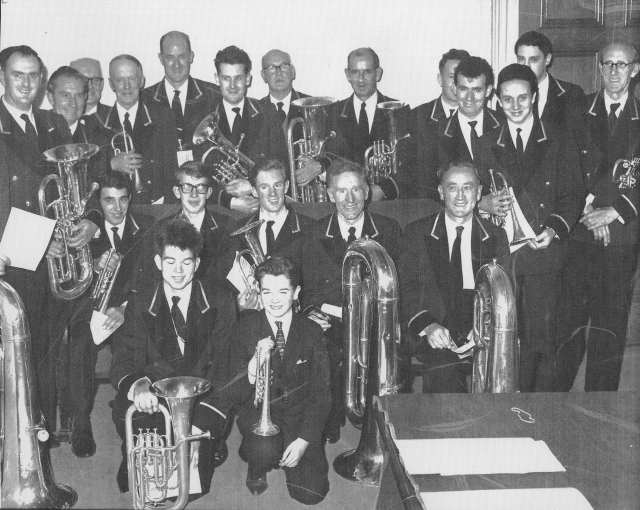
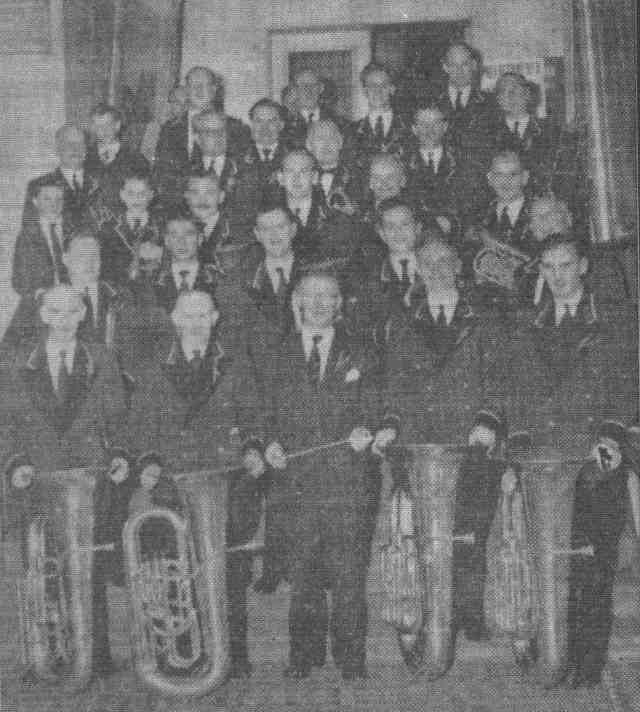
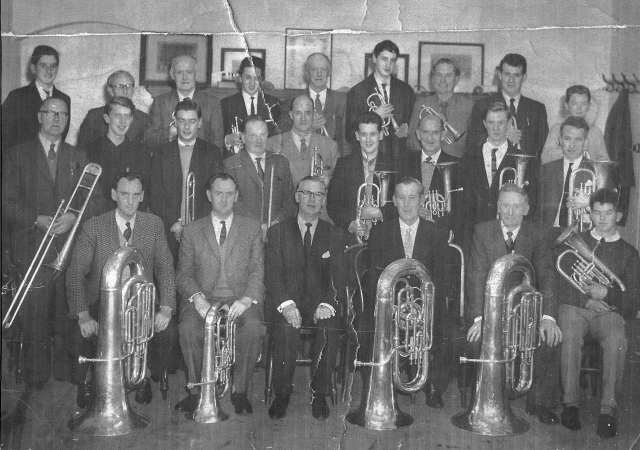
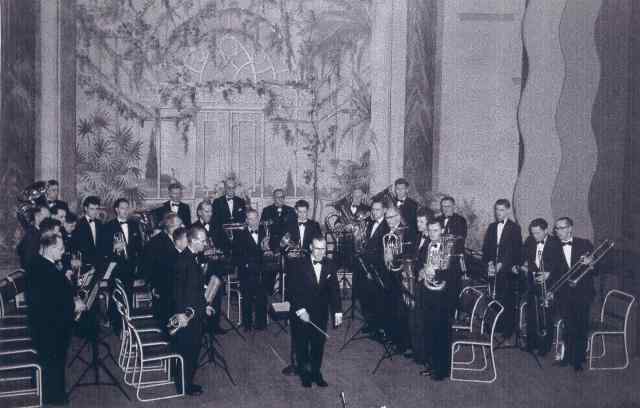
History of Carlisle St. Stephens Band.
Our Preserved History
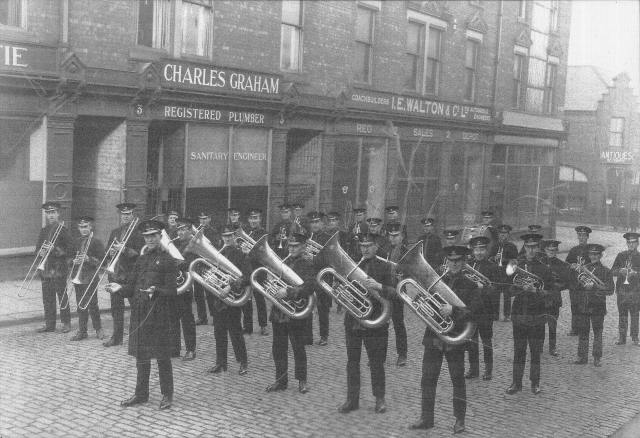
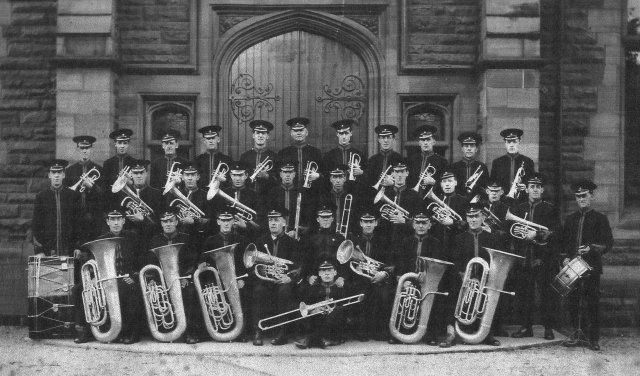
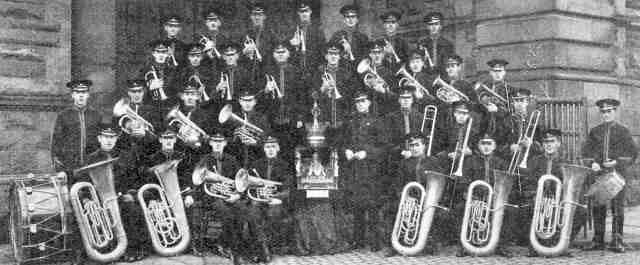
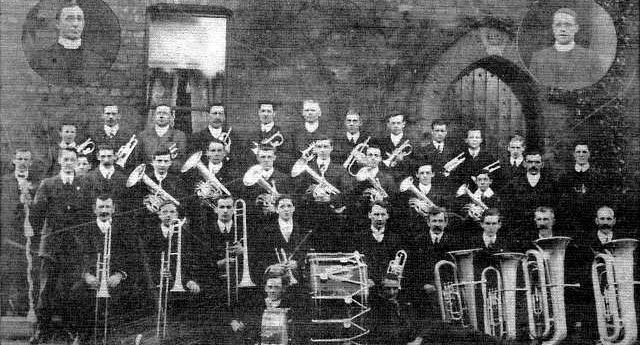
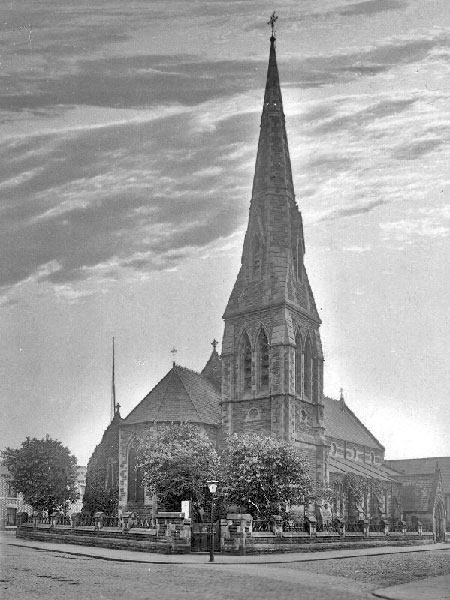
The band was formed in 1904 and started its life in a tin-roofed hut on Arthur Street. The noise of the rehearsals was not appreciated by the local residents, who threw stones on the roof to express their displeasure. Eventually the vicar of St. Stephen's parish church came to the rescue, offering rehearsal space in exchange for the band's services each month in church.
The band grew from there and reformed after the First World War. By the mid-1920s, the band had become one of the most respected names in British Brass Banding, winning the World Championships held at the Crystal Palace in London in 1927 playing White Rider by Denis Wright. They also won in 1929, placed 2nd in 1926, and 3rd in 1928.
The band is not actively contesting at present. We last competed in the 3rd Section of the National Brass Band Area Championships Competition in March 2007.
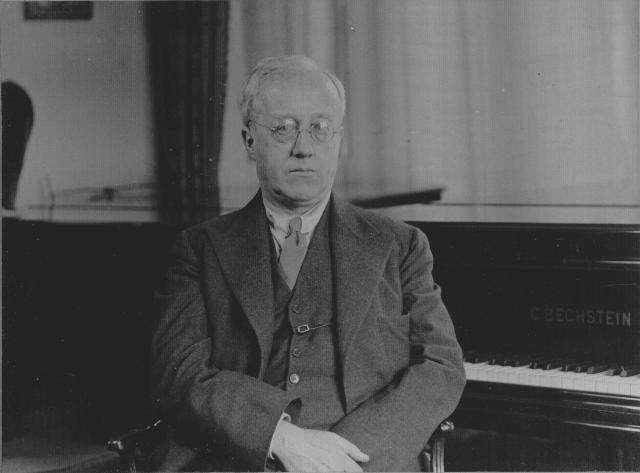
Whilst having a spring cleanout at home, I came across a book gifted to me by my primary school brass teacher in Andover in the 1960s, Colin Burr — Oh Listen to the Band by Hinrichsen. It’s marked 5 shillings! Published in 1950, it references Gustav Holst, who composed The Moorside Suite, the test piece for the 1928 World Championships.
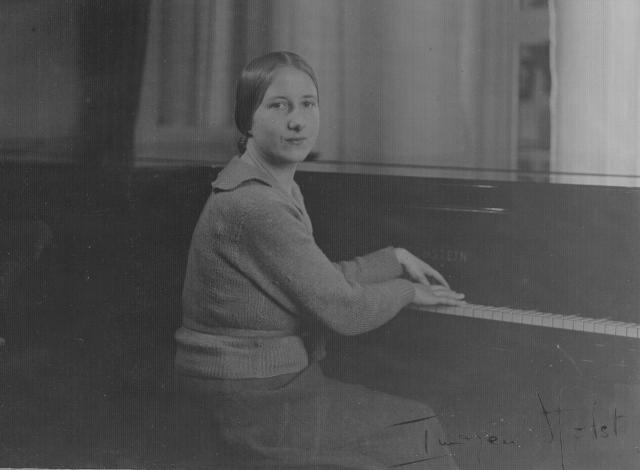
The book also mentions his daughter, Imogen Holst. A concert was held in Her Majesty's Royal Theatre in Carlisle on 12th February 1933 (unsure where this was!). The program featured Holst’s music, including The Unfortunate Traveller — based on the tale by Thomas Nash and dedicated to Carlisle St. Stephens Band.
Photos of both composers are featured on our website.